
This contractor stopped answering his phone. His revenue went up.
The jobs you never hear about rarely show up in the P&L. For a lot of owners, the biggest hole in the business is the one nobody is standing next to.
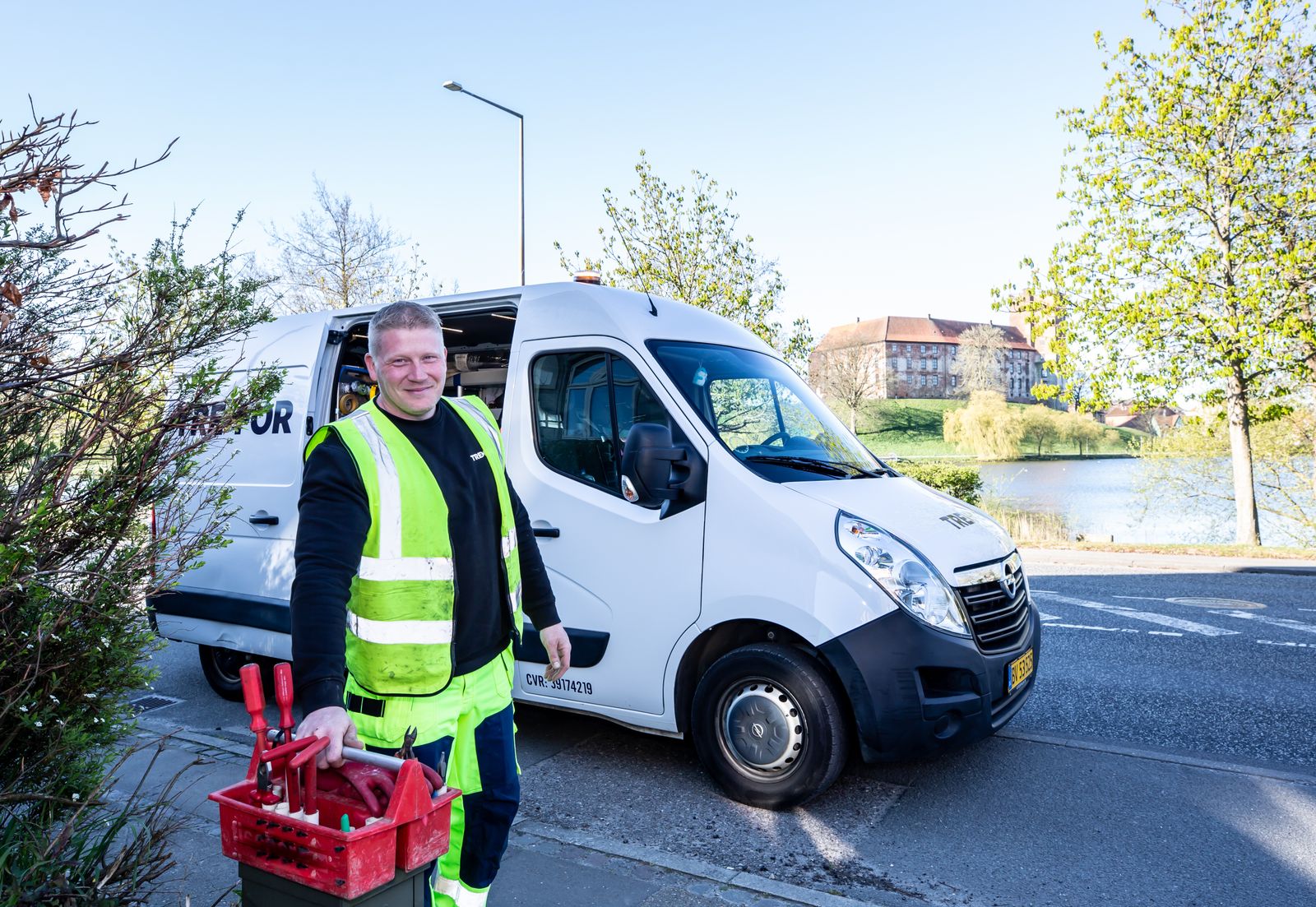
For twelve years, Mike ran his home-service company the way most owners do. If the phone rang and nobody grabbed it, the call went to voicemail. If a customer asked for a quote, it landed on a sticky note and got to them in a few days, if it got to them at all.
He assumed that was just the cost of being busy. Then he did the math on a slow Tuesday and it stopped him cold.
Roughly how many inbound calls do you take in a week?
Tap to start. 5 quick questions, then see your monthly number.
He pulled his call log and counted the missed ones. Industry research puts it around a quarter of all inbound calls for home-service businesses, and his numbers were right in line. Every one of those was a person with a problem and a wallet, calling a competitor thirty seconds later.
The follow-up was worse. A widely cited Harvard Business Review study found that businesses that respond to a lead within five minutes are up to one hundred times more likely to connect with that lead than businesses that wait thirty. Only about one in eight contractors actually move that fast. Mike was not one of them.
He was not losing to better technicians. He was losing at the front desk.
What he changed
Mike did not hire three more office people. He brought in what a lot of operators are now quietly calling an AI coworker, a platform called AutoRev that sits on top of the tools he already used and handles the front office around the clock.
It answers every call, day or night, in a real voice, qualifies the caller, and books the job straight onto the calendar. No voicemail. No after-hours gap. When a new lead comes in, it responds in under sixty seconds by voice and text, before the customer has a chance to call the next name on the list.
It does not stop at answering. It turns a voice note or a few job-site photos into a priced estimate in minutes, then keeps following up on that estimate on its own until the customer either books or says no. And it goes back through his old, aged, and missed leads and re-engages them, handing the ones ready to book back to his team.
All of it runs on top of his existing system, with two-way sync to the CRM he already ran, so it acts on the real state of his business instead of a disconnected script.
What happened
The change did not show up as some dramatic new marketing push. It showed up as the leaks closing. Calls that used to die in voicemail turned into booked jobs. Estimates that used to sit for three days went out the same afternoon and closed faster. Old leads he had written off started booking again.
His office did not get bigger. It got sharper. As he puts it now, one good office manager running AutoRev does what used to take five people, and nothing slips.
Mike is not special. He just stopped treating a missed call like a rounding error and started treating it like the lost job it actually is.
The question worth two minutes
Most owners have no idea how many jobs they are leaking, because the leak is invisible. The calls that do not connect, the estimates that go cold, the leads a competitor grabbed first. None of it shows up on a report.
AutoRev put together a short assessment that estimates how much booked revenue your front office is leaving on the table right now, based on your trade, your call volume, and how fast you follow up today. It takes about two minutes.
→ See how much your front office is leaking. Take the 2-minute assessment.
Most shops lose more booked work at the phone than they realize. See your monthly number.
See my number →